


Dance nutrition: a carbohydrate guide for dancers and teachers
In the world of dance, nutrition plays a role as central as training. Dancers know this: performance relies not only on technique and talent, but also on what we put on our plates every day. And among the most talked-about—and sometimes misunderstood—macronutrients are: carbohydrates.
In this article I want to help you use carbohydrates smartly for steady energy, focus, and performance.
Carbohydrates are the primary fuel for rehearsals and performances: they replenish glycogen stores in muscles and the liver and support attention and coordination.
Dancers are at risk of low energy availability and REDs if they “cut” too much: be careful to meet energy needs.
- Athlete guidelines: 5–7 g/kg/d on moderate training days; 6–10 g/kg/d when hours in the studio increase; 1–4 g/kg 1–4 h before important sessions; 30–60 g/h during if you exceed ~60–75 minutes; 1.0–1.2 g/kg/h in the first 4 h after for rapid recovery.
Why carbohydrates matter in dance nutrition
When you train for hours, the body uses glycogen and glucose to support intensity, precision, and motor memory. Adjusting the amount and timing of carbohydrates improves performance quality, reduces perceived fatigue, and speeds recovery between one session and the next.
Major scientific organizations recommend daily intakes and "before-during-after" strategies calibrated to volume and intensity.

IG vs GL: how to choose better
Glycemic index (GI):
how quickly a food raises blood glucose
Glycemic load (GL):
takes GI + portion into account → it's more useful in real life.
Formula: GL = GI × g of carbs in the portion / 100.
Prefer mixed meals (carbs + protein + fiber + “good” fats): they slow absorption and help satiety, keeping energy more “flat” during long sbarra e repertorio.
Check a reliable database to verify the GI/GL of commonly used foods.

How much do you really need?
Use these ranges per kg of body weight and adjust based on hours, intensity, and goals:
Light days / technique & quality work (≈1 h): 5–7 g/kg/d
Challenging days (1–3 h): 6–10 g/kg/d
Very long blocks (4–5 h): 8–12 g/kg/d
These thresholds maximize carbohydrate availability for muscles and the CNS and are the reference standard for performance sports.
Health note: recent research shows that dancers often have negative energy balances and deficiencies in critical micronutrients (e.g. iron, calcium).
Paying attention to carbohydrate intake helps cover energy needs and protects health and performance
How to take for training
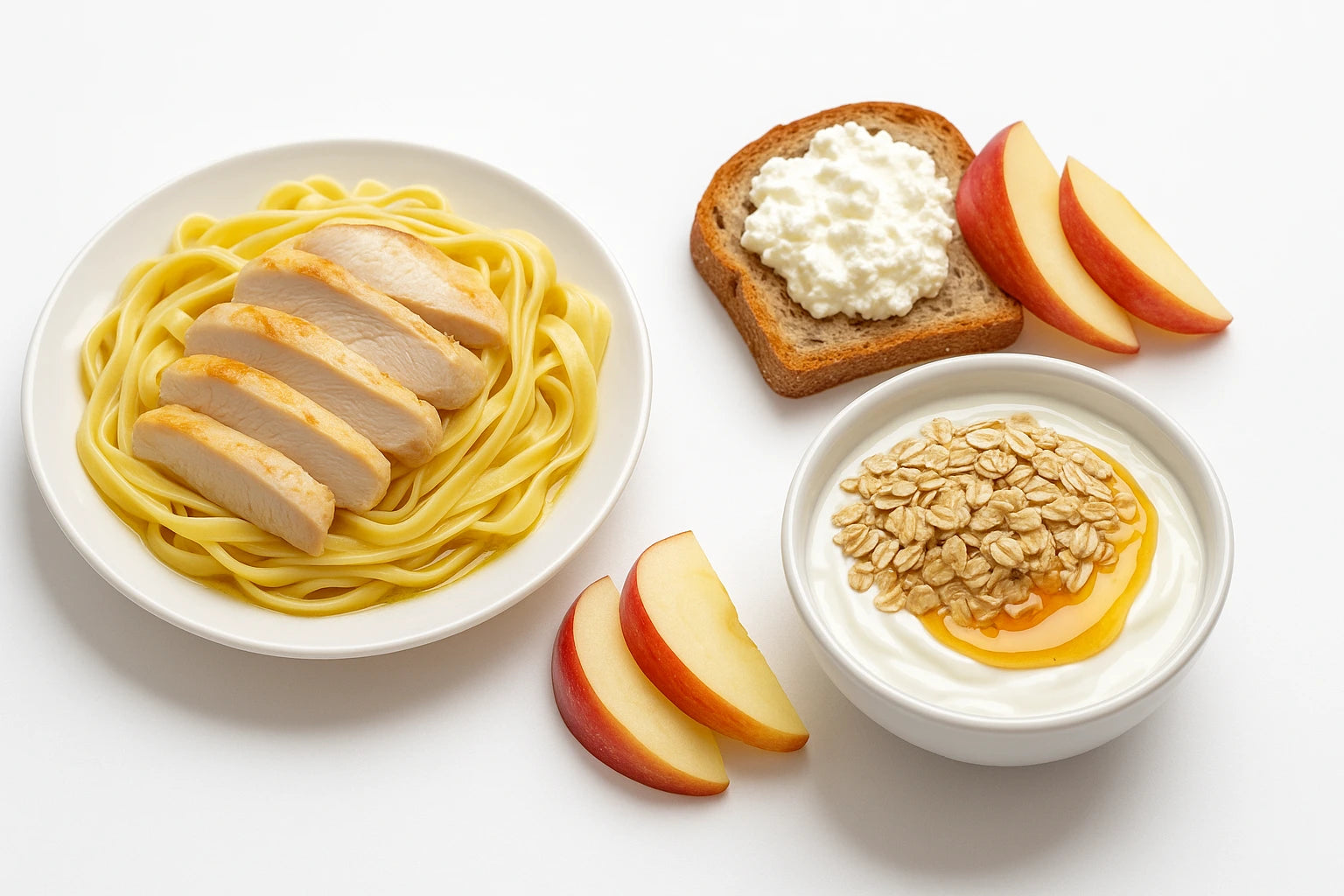
From 1 to 4 hours before
Consume 1–4 g/kg of carbohydrates. Choose well-tolerated, low-residue foods (avoid excess fat/fibre).
Examples: al dente rice or pasta with extra virgin olive oil (EVO) and chicken; bread + ricotta + fruit; yogurt + rolled oats + honey.
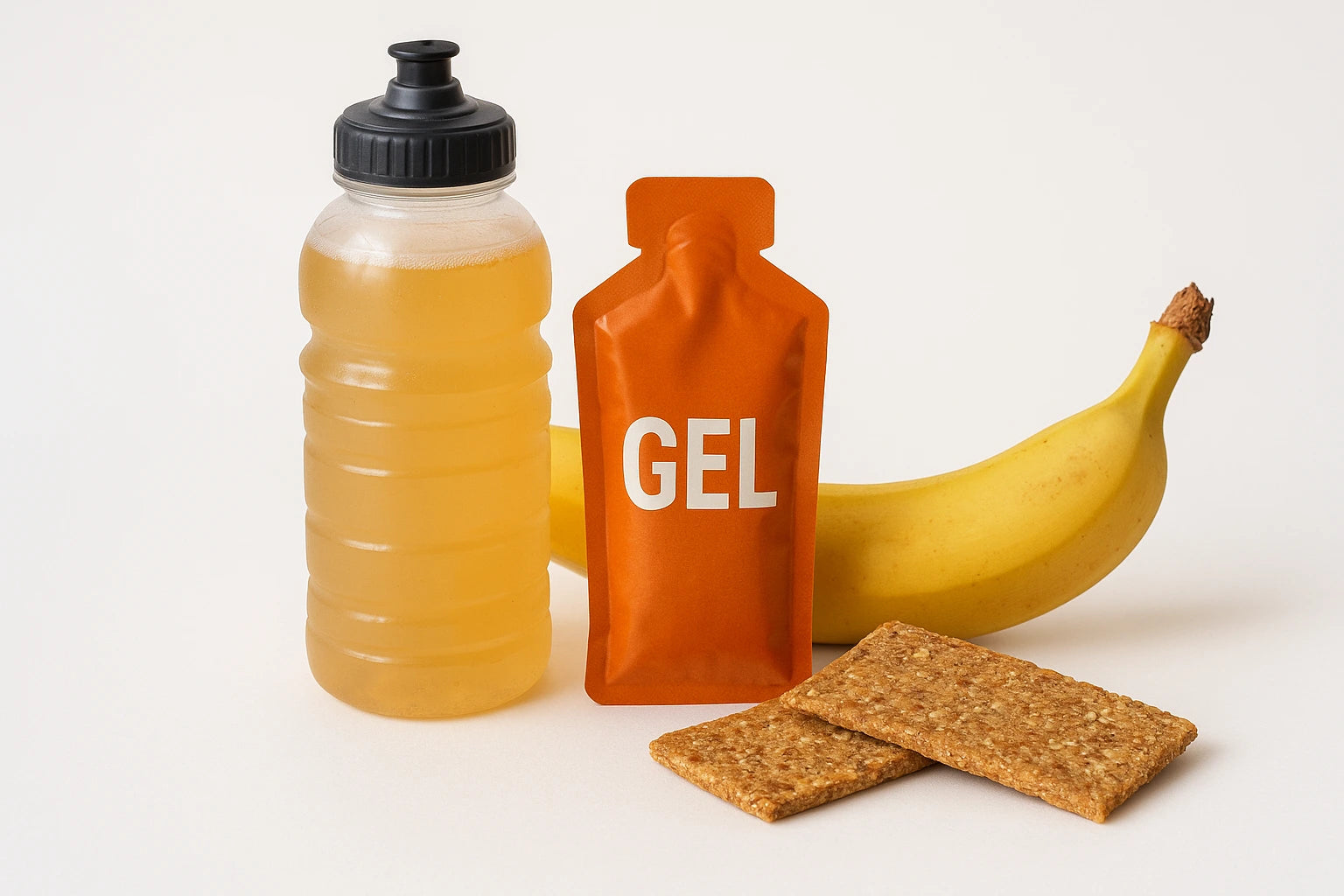
During training
If you exceed ~60–75 continuous minutes or a double session
Supplement with 30–60 g/h of easily absorbed carbohydrates (up to 90 g/h for ultra-long sessions).
Examples: bottle with 6–8% carbohydrate drink; 25–30 g gel; banana + crackers as variations.
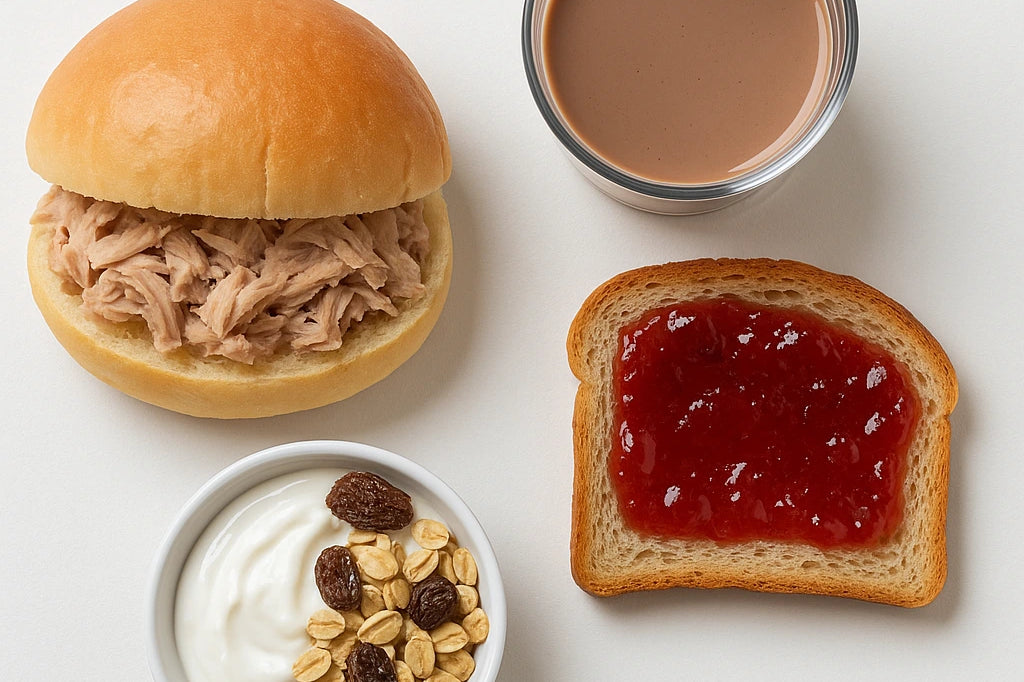
After training
Within 30–60 minutes after finishing
If you need to return to the gym soon: 1.0–1.2 g/kg/h of carbs in the first 4 h. Adding protein (0.2–0.5 g/kg/h) speeds up absorption.
Examples: soft sandwich + tuna; milk/cocoa + bread + jam; skyr pudding + muesli + raisins.
From 1 to 4 hours before
Consume 1–4 g/kg of carbohydrates. Choose well-tolerated, low-residue foods (avoid excess fat/fibre).
Examples: al dente rice or pasta with extra virgin olive oil (EVO) and chicken; bread + ricotta + fruit; yogurt + rolled oats + honey.
During training
If you exceed ~60–75 continuous minutes or a double session
Supplement with 30–60 g/h of easily absorbed carbohydrates (up to 90 g/h for ultra-long sessions).
Examples: bottle with 6–8% carbohydrate drink; 25–30 g gel; banana + crackers as variations.
After training
Within 30–60 minutes after finishing
If you need to return to the gym soon: 1.0–1.2 g/kg/h of carbs in the first 4 h. Adding protein (0.2–0.5 g/kg/h) speeds up absorption.
Examples: soft sandwich + tuna; milk/cocoa + bread + jam; skyr pudding + muesli + raisins.
Practical menus “typical day”
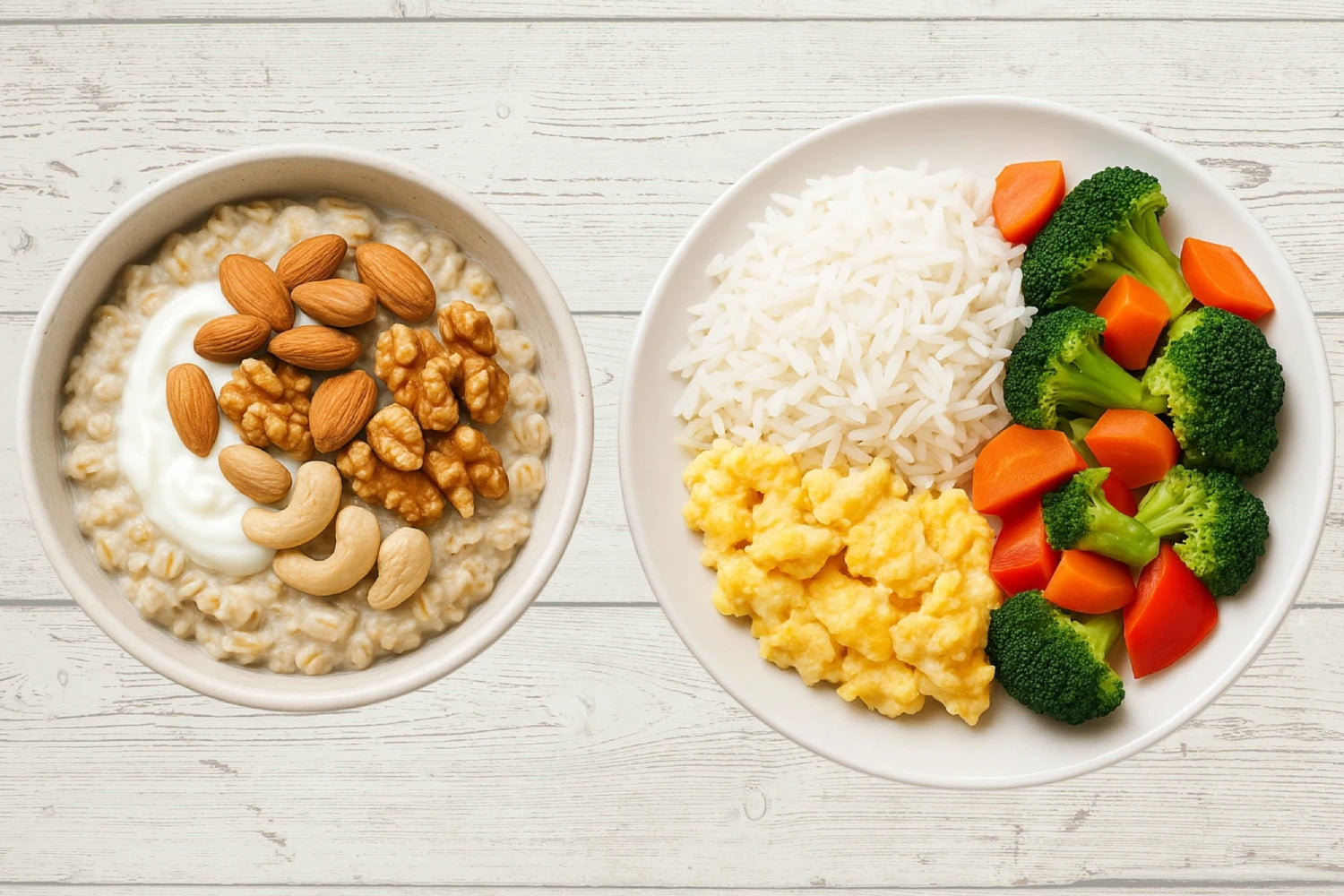
School day + rehearsals ~2–3 h
Breakfast: soaked rolled oats + yogurt + dried fruit and nuts (~80–100 g CHO)
Lunch (2–3 h before): basmati rice 100–120 g raw + eggs + vegetables (~120–140 g CHO)
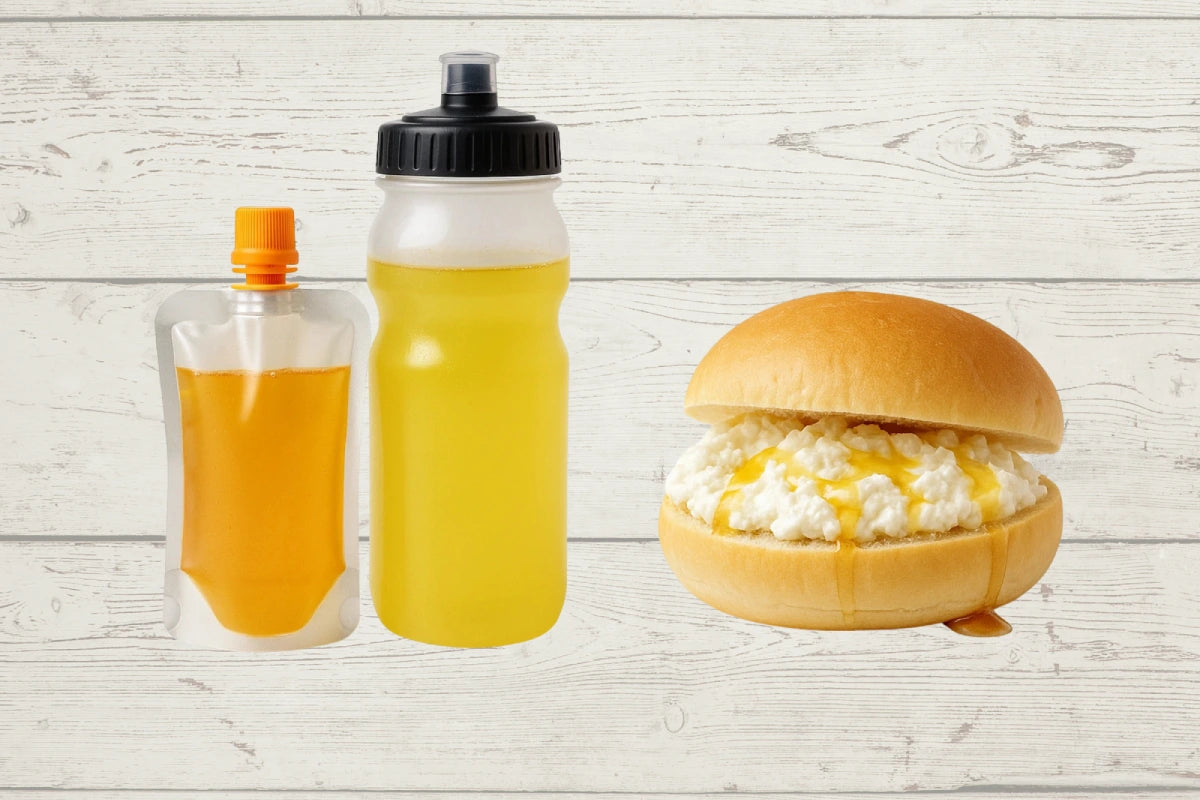
Snack and recovery - school day
During: 30 g CHO gel + sips of isotonic drink (30–40 g/h)
Recovery: soft sandwich + ricotta + honey (~60–80 g CHO)
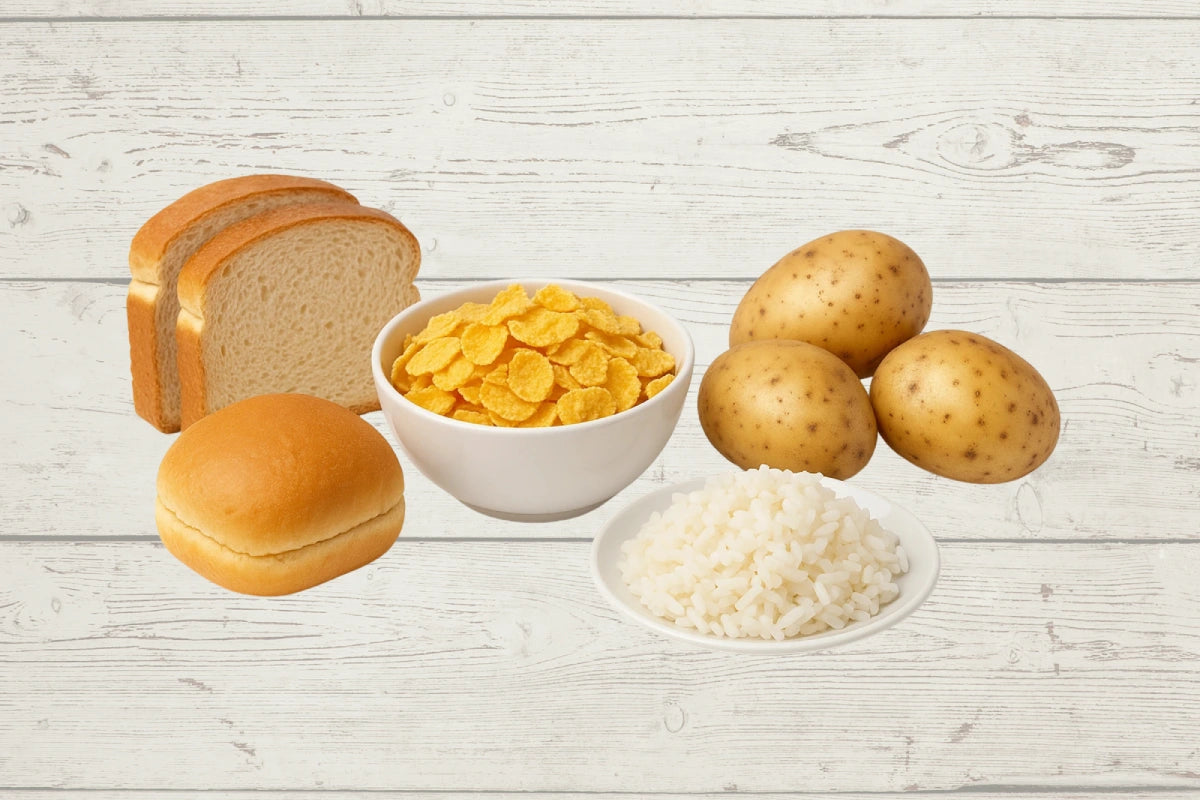
Show day - light load
Increase bread/cereals/potatoes/rice to reach the high end of your range (24–36 h before).
Choose simple, well-tolerated meals to minimize the risk of gastrointestinal distress during the performance.
School day + rehearsals ~2–3 h
Breakfast: soaked rolled oats + yogurt + dried fruit and nuts (~80–100 g CHO)
Lunch (2–3 h before): basmati rice 100–120 g raw + eggs + vegetables (~120–140 g CHO)
Snack and recovery - school day
During: 30 g CHO gel + sips of isotonic drink (30–40 g/h)
Recovery: soft sandwich + ricotta + honey (~60–80 g CHO)
Show day - light load
Increase bread/cereals/potatoes/rice to reach the high end of your range (24–36 h before).
Choose simple, well-tolerated meals to minimize the risk of gastrointestinal distress during the performance.
Common nutrition mistakes among ballerinas
- Skipping carbs to “feel light” → risks LEA/REDs (loss of strength, mental clarity, irregular cycle). Plan adequate amounts across the day.
- Focusing only on GI → consider portion size (GL) and mixed meals.
- Wrong timing → too much fiber/fat right before can cause GI issues; choose easily digestible carbs and test them in training.
FAQ
What is the proper nutrition for a dancer on days with double rehearsals?
Aim for the 6–10 g/kg/d range of carbs, with 1–4 g/kg 1–4 h before, snacks of 30–60 g/h if you exceed 75', and recovery 1.0–1.2 g/kg/h in the first 4 h. Personalize based on tolerance and timing.
Better "low-carb diet" or "balanced"?
For classical and contemporary dance, the priority is a high availability of carbohydrates when quality/intensity is needed. Periodize yes; chronic cuts no (risk of REDs).
Glycemic index or glycemic load?
Use the GL to assess the dish’s actual effect and a scientific database to check the values.

Biologist and nutritionist, graduated with top honors and licensed at the University of Milan. Trained at IRCCS Ospedale San Raffaele with expertise in body composition, nutritional intervention, and counseling. Empathetic, health-centered approach focused on psychophysical well-being and continuous updating on sports, pathophysiology, prevention, and rehabilitation.


