


Which neckline best flatters your shoulders
If you teach or dance professionally, you know a dance leotard is more than aesthetics: it affects lines, freedom of movement, and safety in the studio and during auditions.
Choosing the right leotard neckline is essential, especially for auditions for academies or companies, because it will highlight your strengths and conceal flaws.
In this guide I help you choose the neckline best suited to your build (shoulders, torso, bust, back), with practical advice on fabrics and support.
In auditions and elite programs a solid-color leotard is often required, without fringes or skirts: it helps the panel read the lines, avoids distractions, and makes the room uniform. This is specified in guidelines and FAQs from schools and companies such as ABT/JKO, Royal Ballet School and SAB, which require solid leotards (often black) and pink or skin-colored tights.
Necklines of the classical dance leotard: how to choose based on body shape

Wide shoulders
To minimize broad shoulders both the front V-neck and the halter (all’americana) are recommended because they draw the eye inward, balancing the width. To avoid horizontal necklines such as the boat neck or “off-shoulder” and never wear bodysuits with cap sleeves.
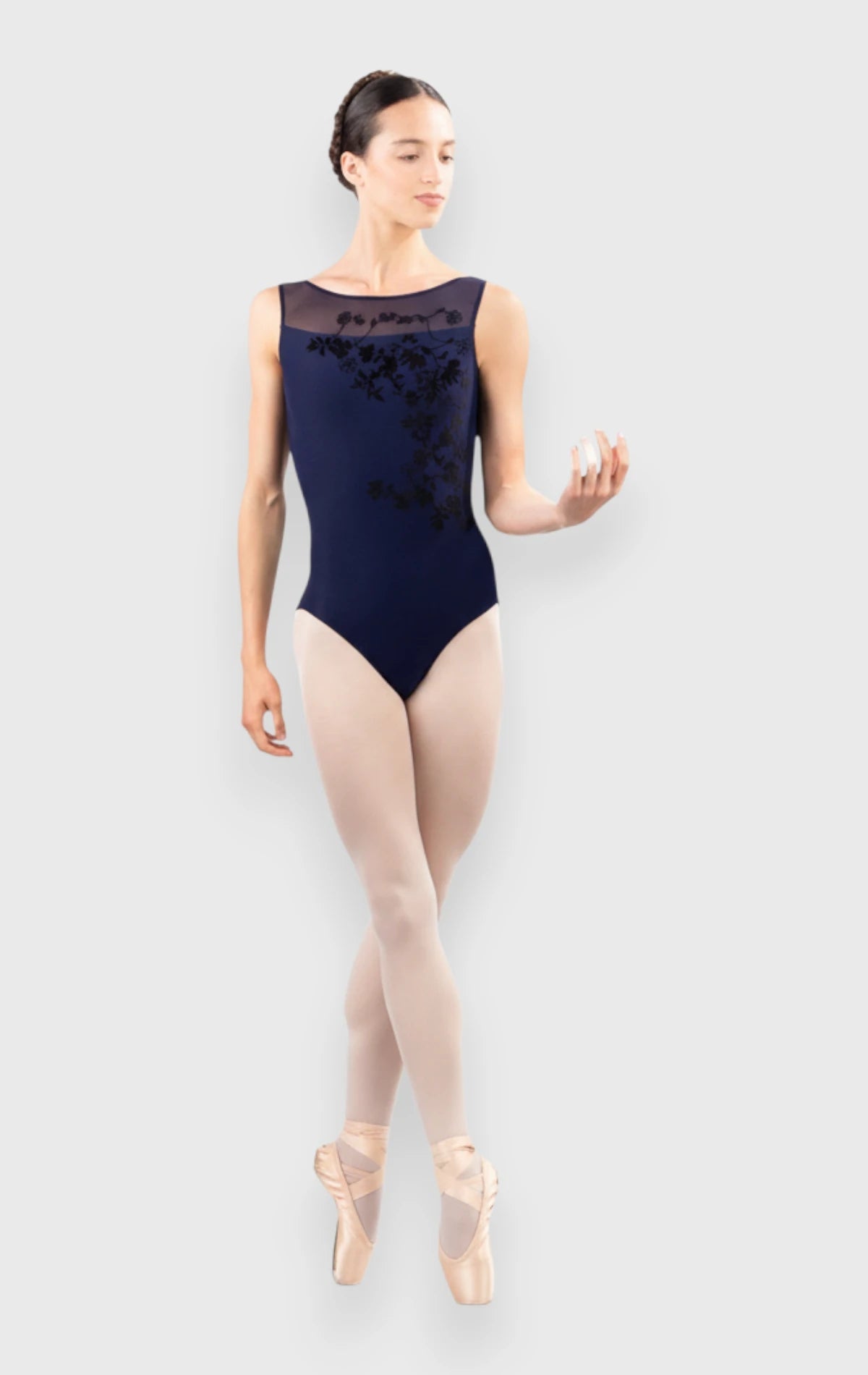
The halter neckline is popular in modern and contemporary dance. Modern high-neck bodysuits with lace and sheer details have become so elegant that they are used not only in classical dance, but also for other dances and as everyday garments.

Narrow shoulders
If you have narrow shoulders, go for thin straps: they minimize vertical coverage on the shoulder, highlighting the décolletage area, off-shoulder necklines, wide crew necks, cap sleeves, and horizontal lines that visually tend to "widen" the upper body.
The selection of these types of bodysuits is really wide, from the simplest models to more elegant and distinctive ones. Some bodysuits have lace panels that accentuate the shoulders, or adjustable straps that make them especially comfortable.

Short torso
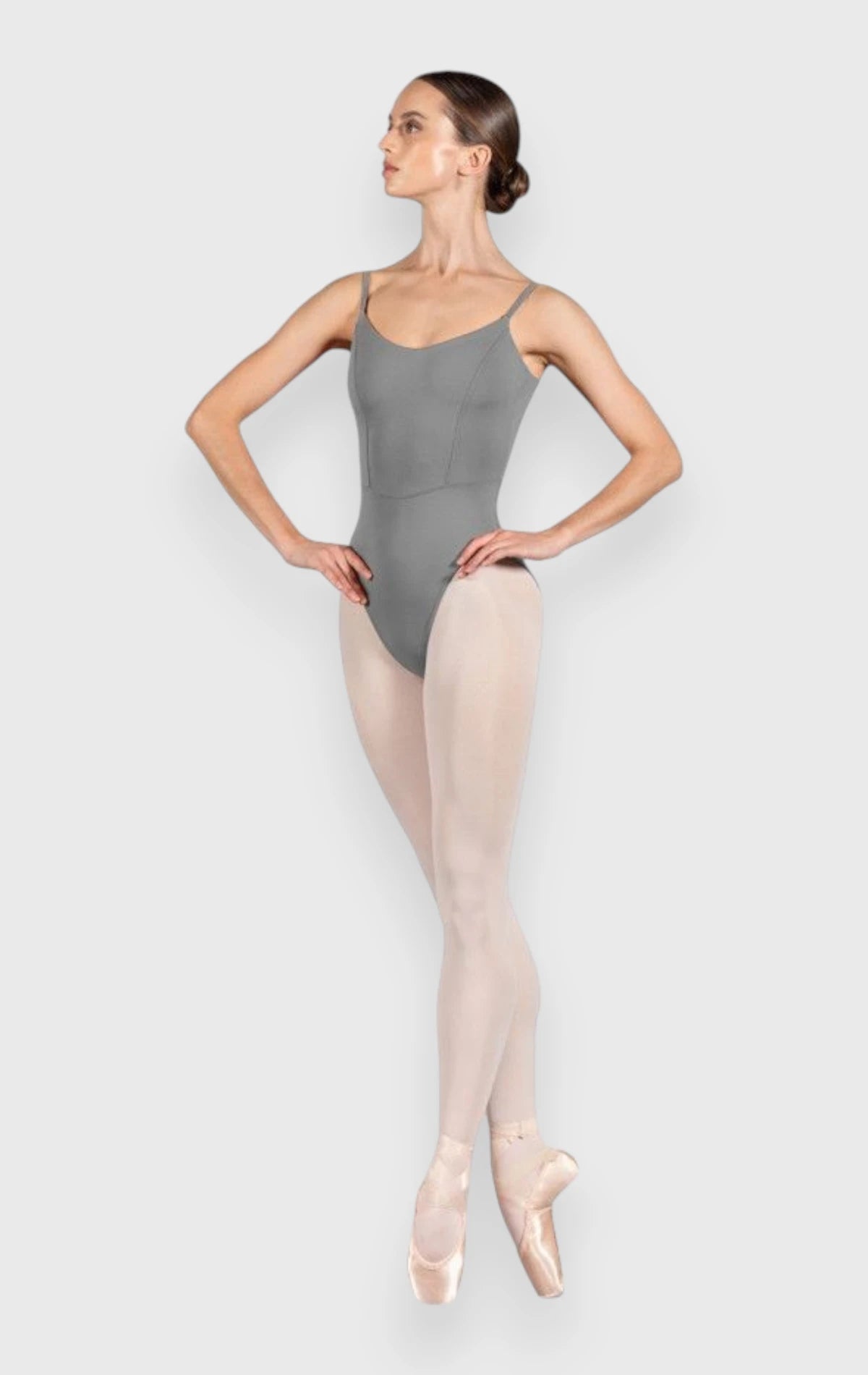
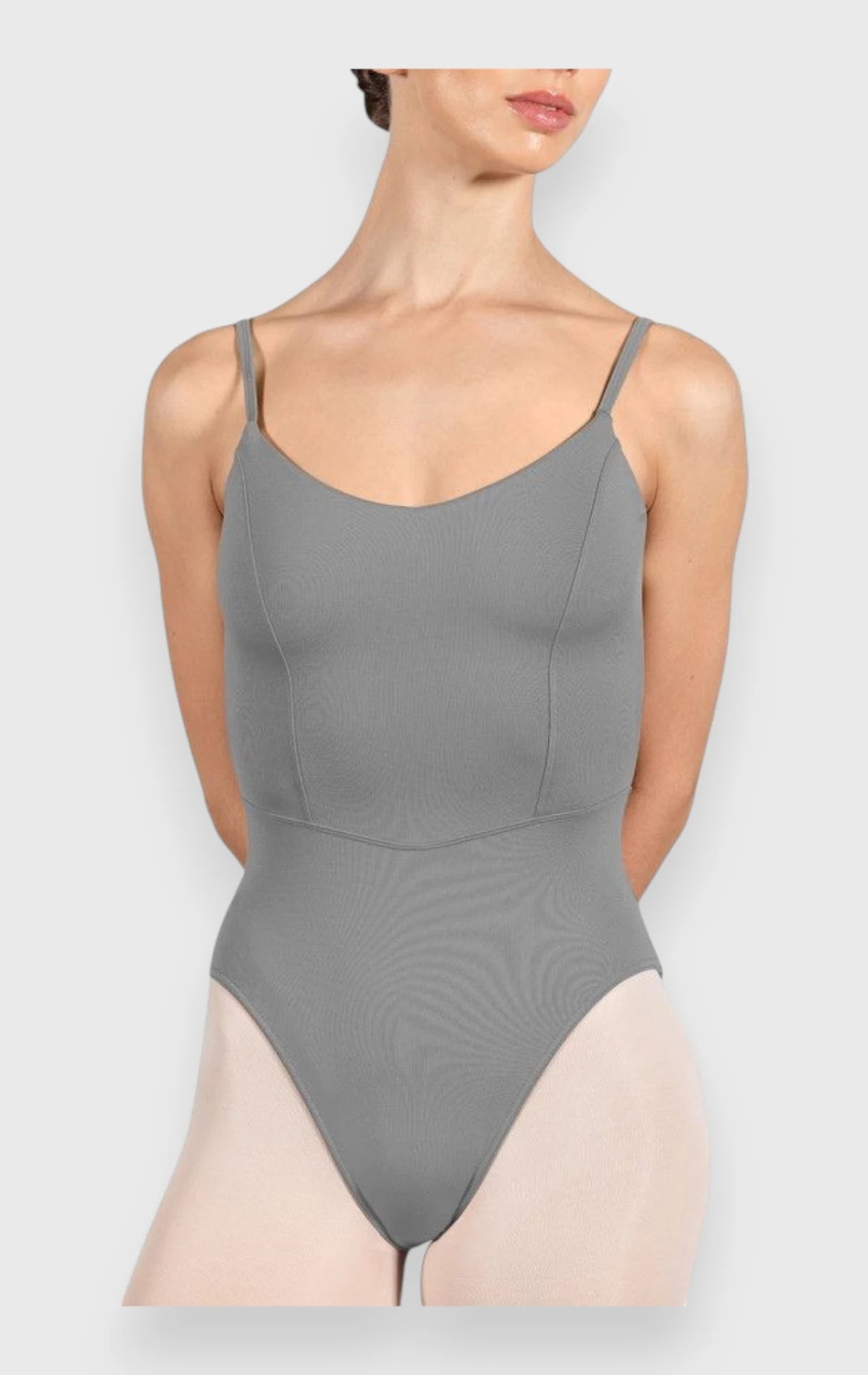
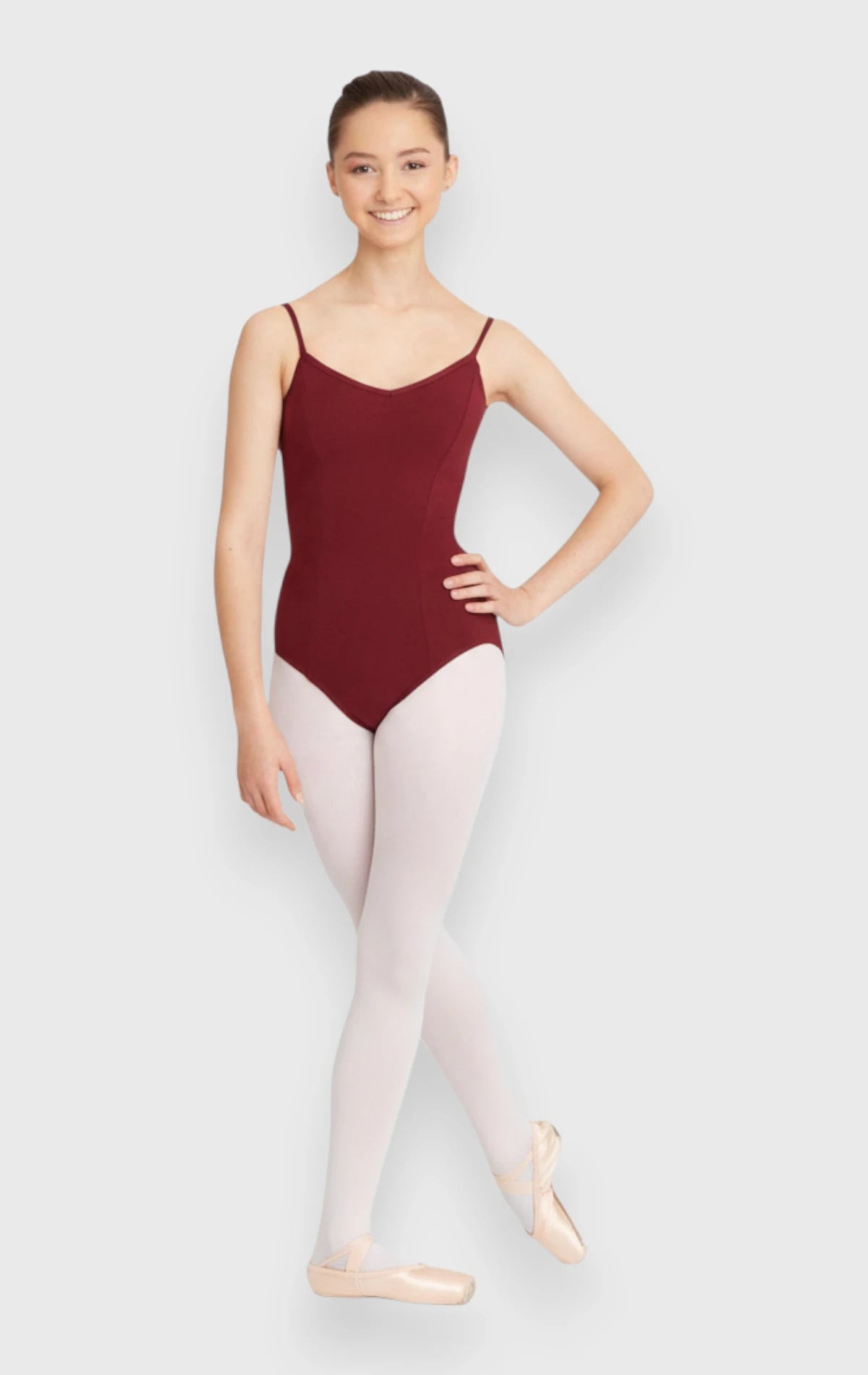
A short torso should appear as elongated as possible. For this reason V-necklines and the underbust cut are recommended, often combined with “princess” seams that shape the torso and make it look slimmer.
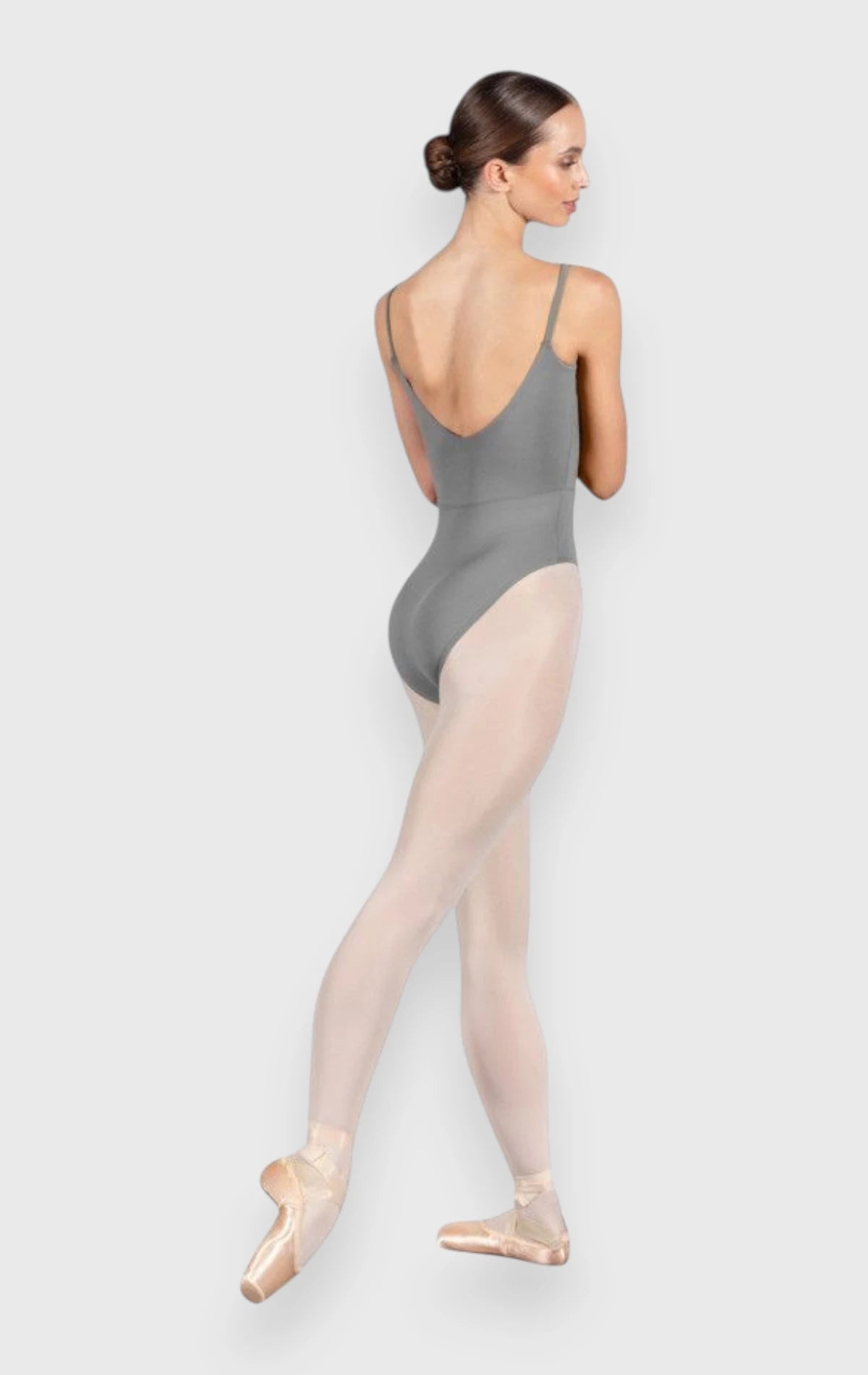
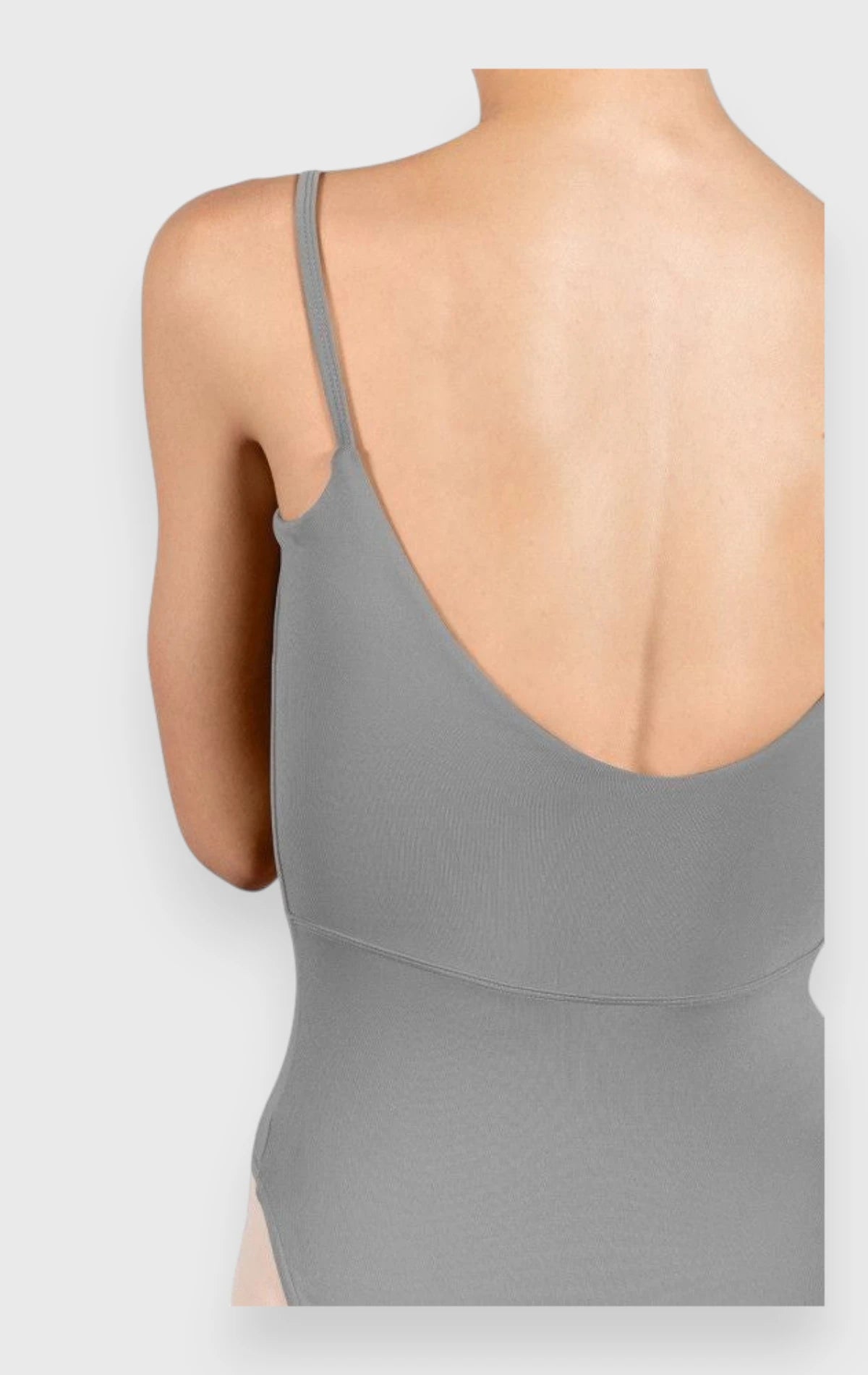
Obviously the deep V-neckline is also suitable on the back.

Long torso
With a long torso you should draw attention to the upper part, so boat-neck or square necklines are preferable.
Exposed shoulders will further draw attention to the collarbones, but of course the shoulders should not be excessively broad.

Back and cambré
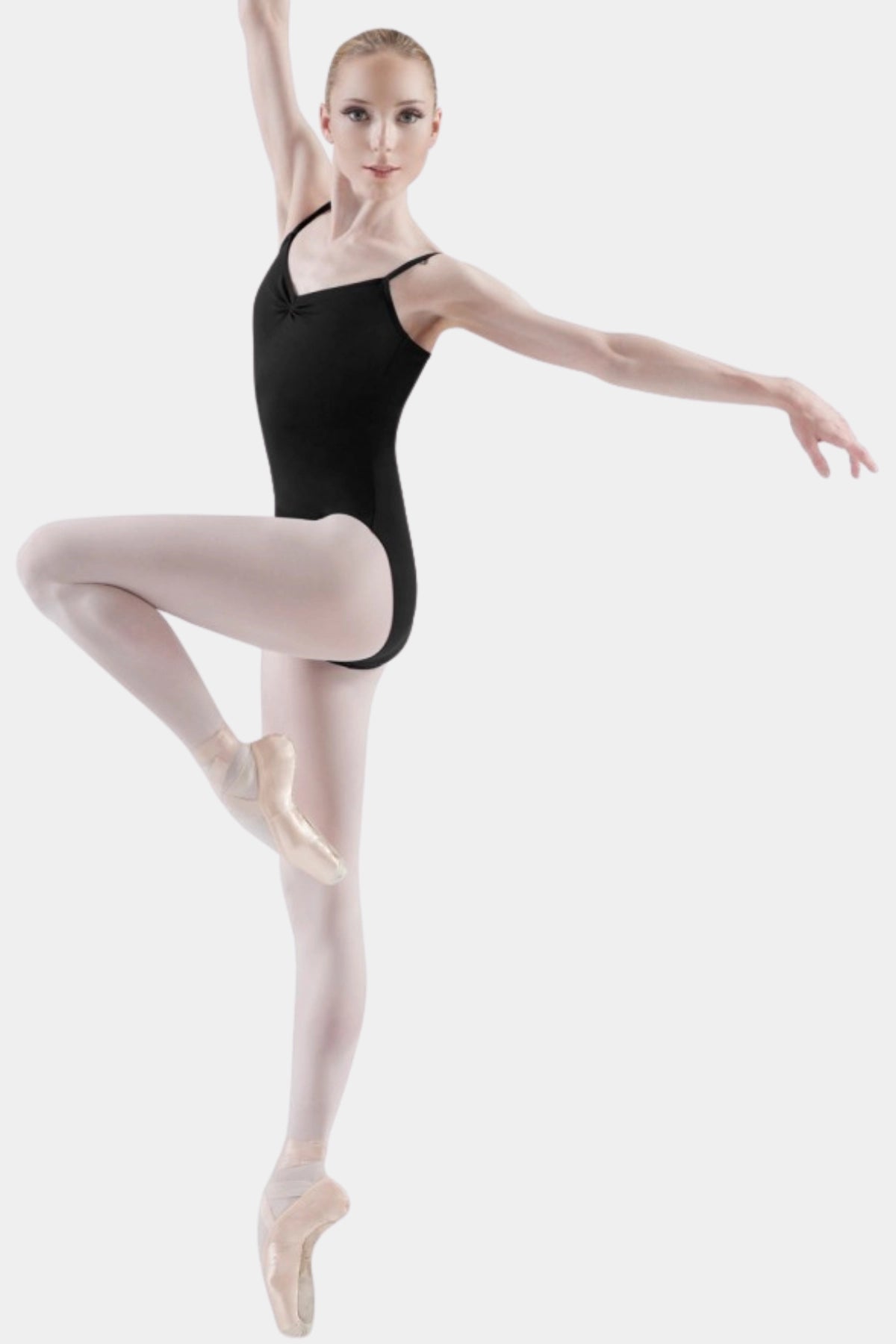
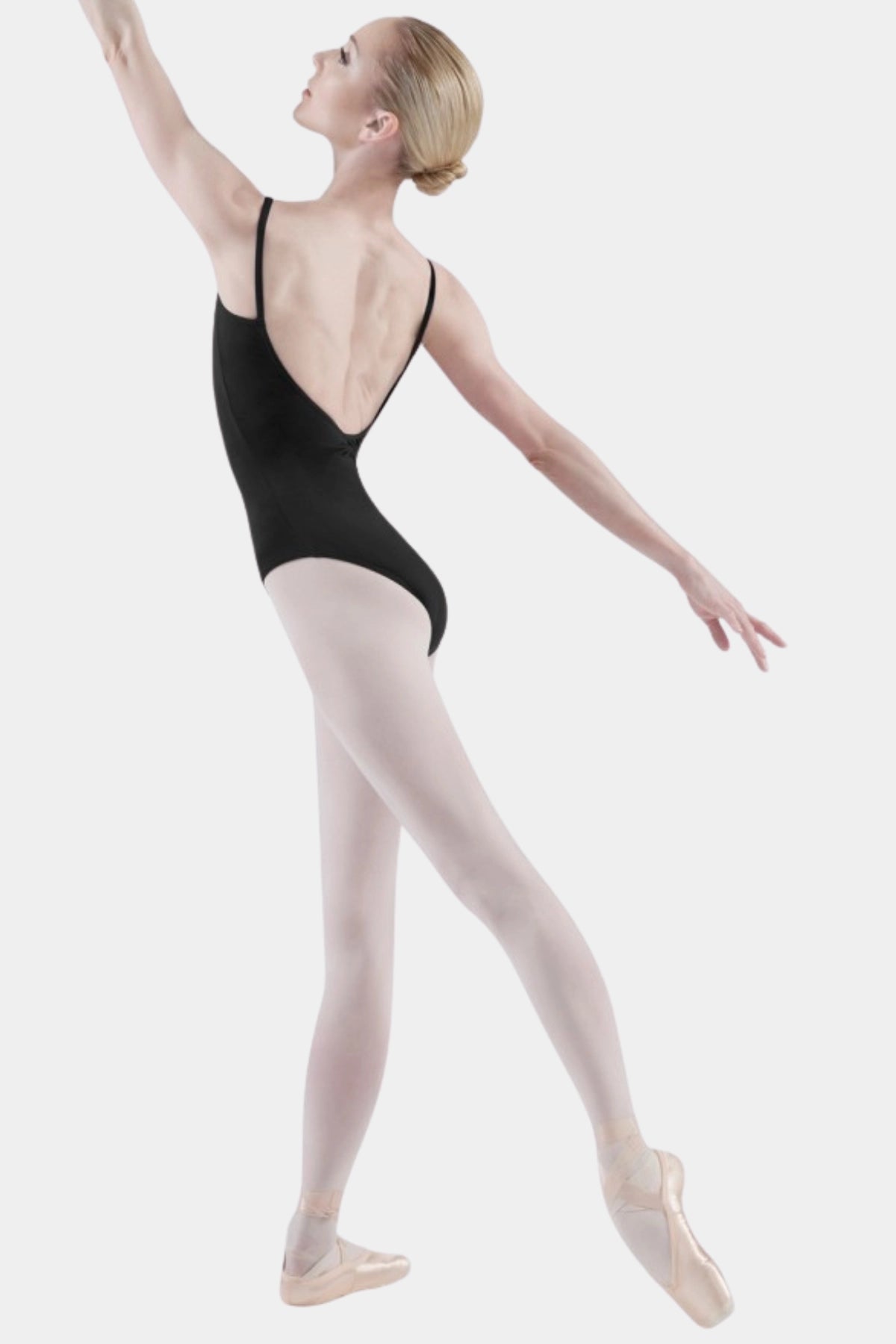
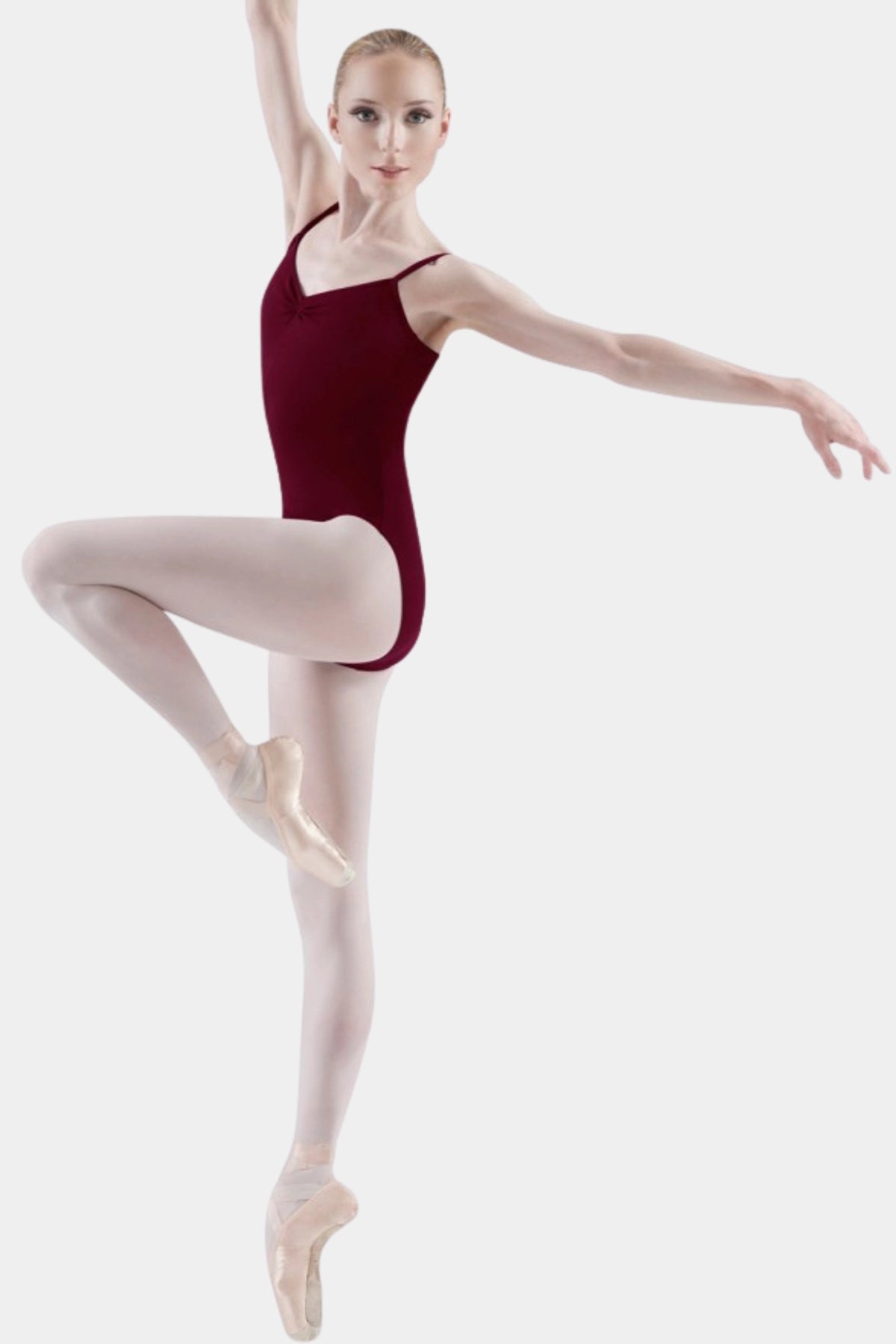
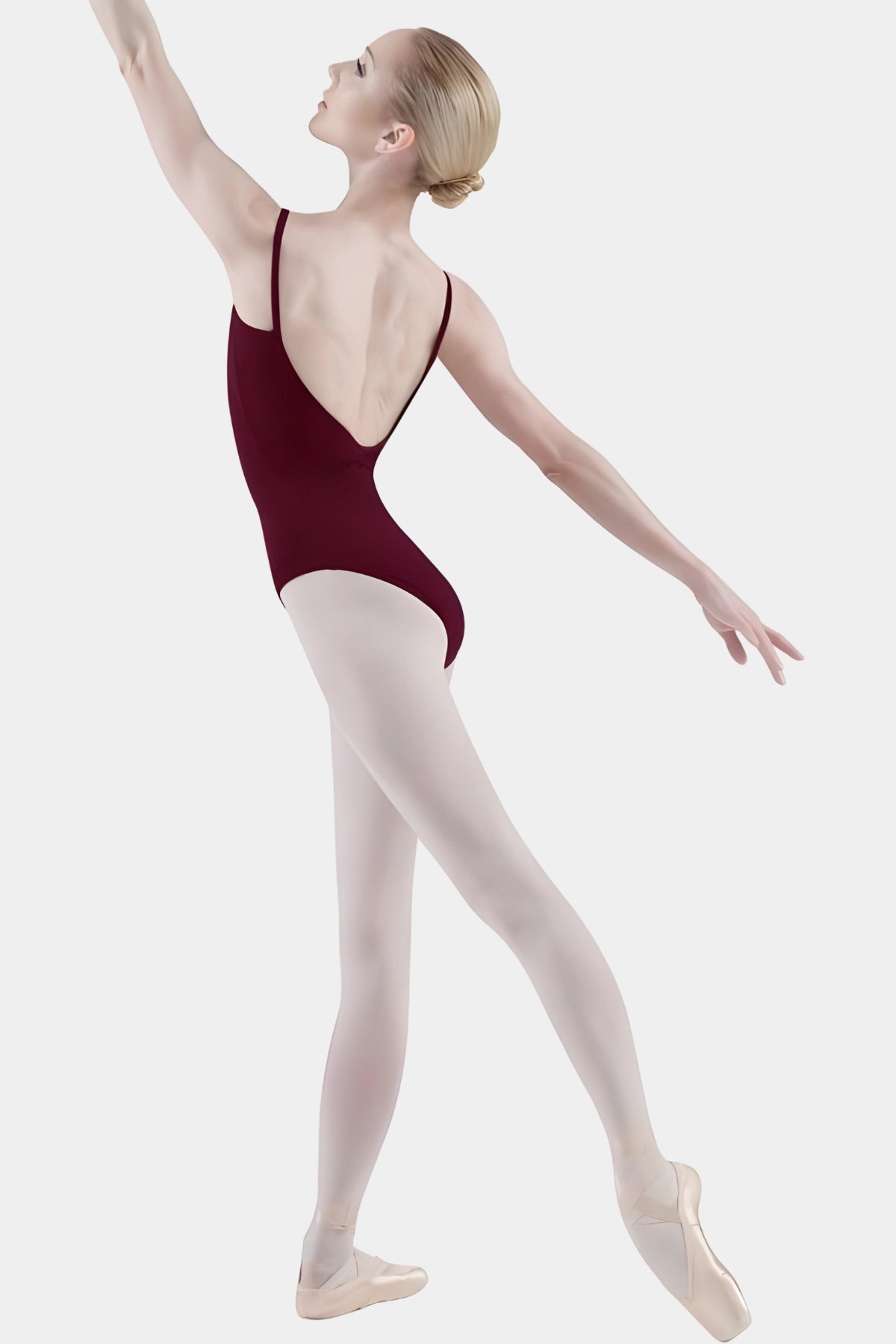
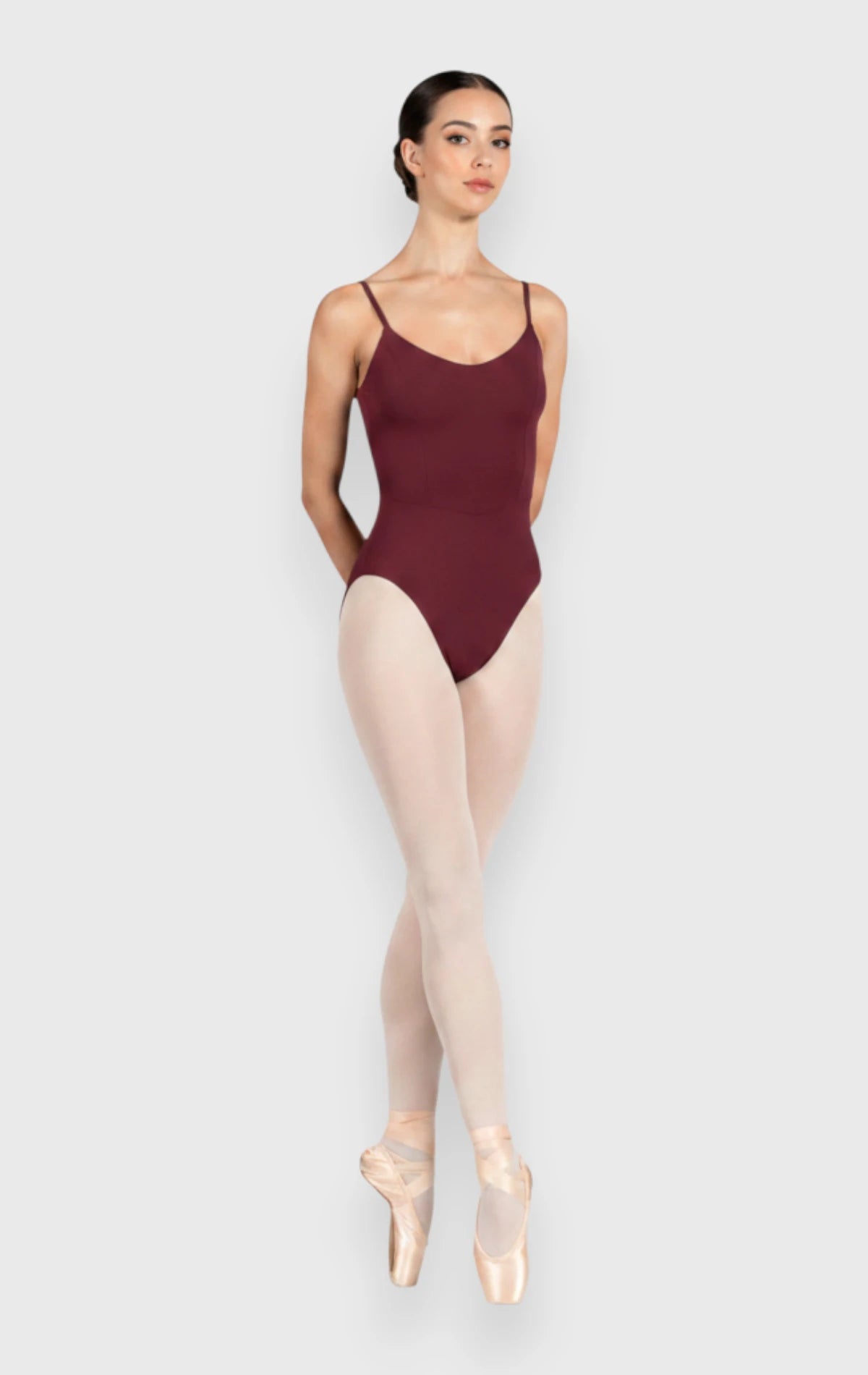
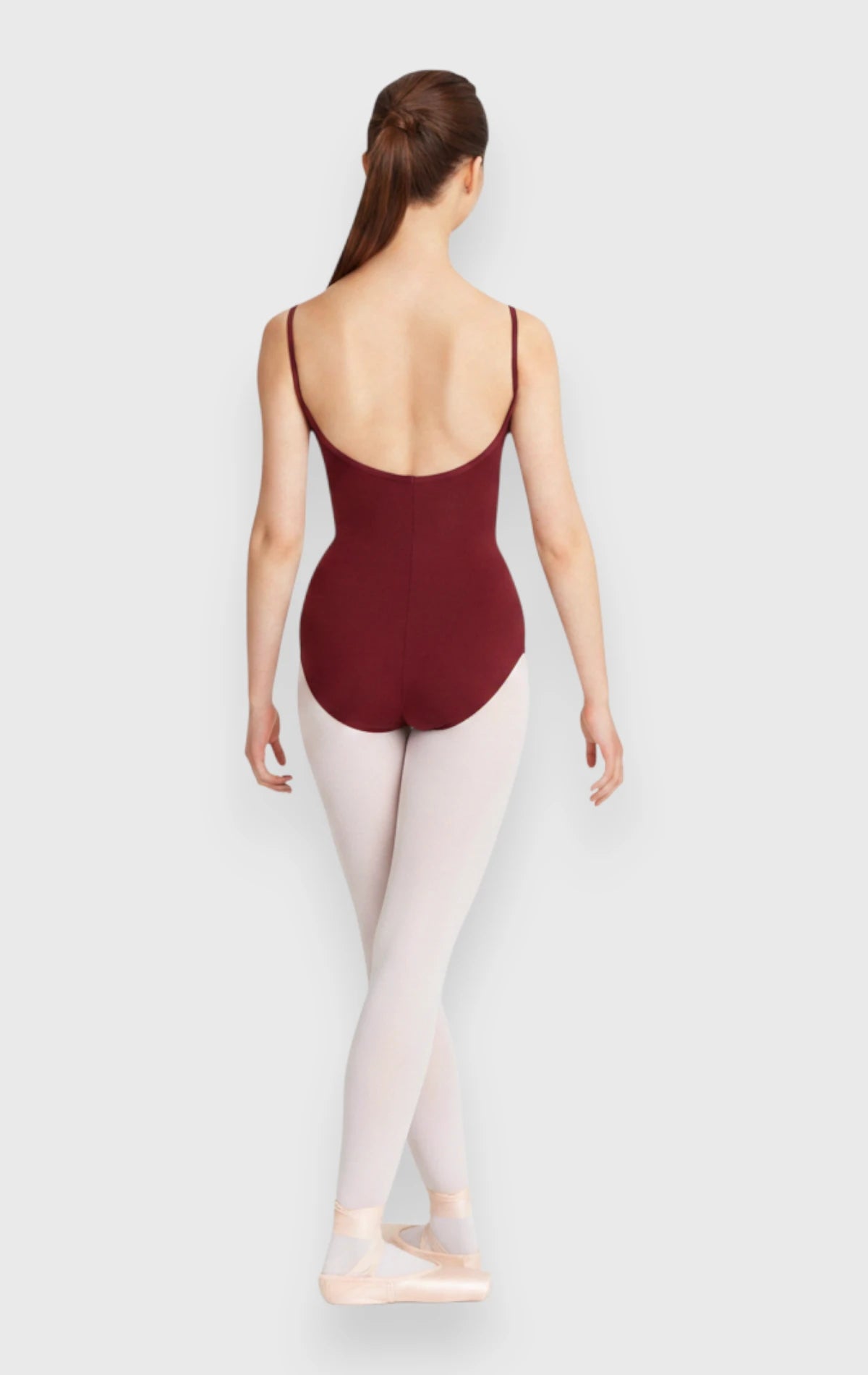
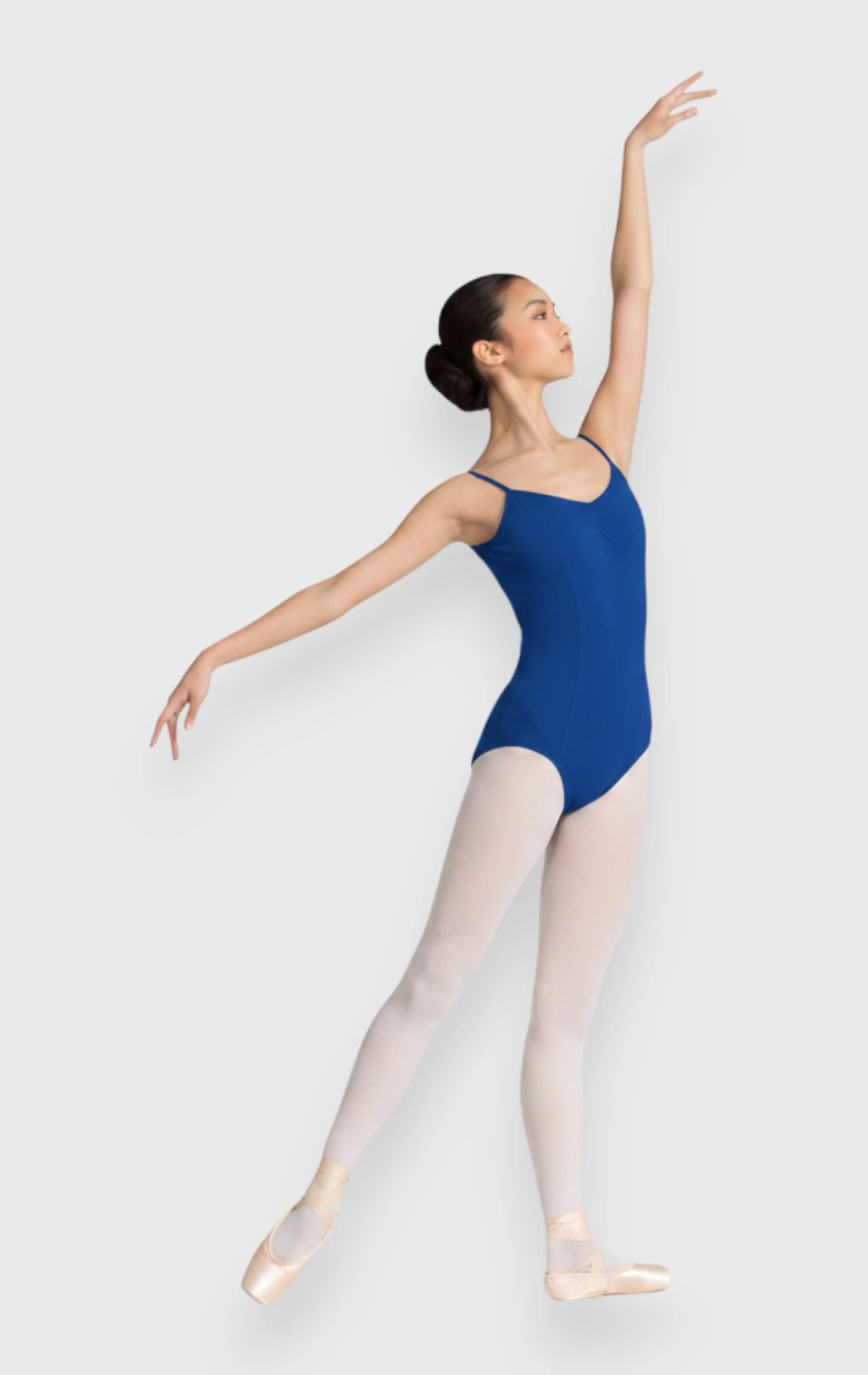
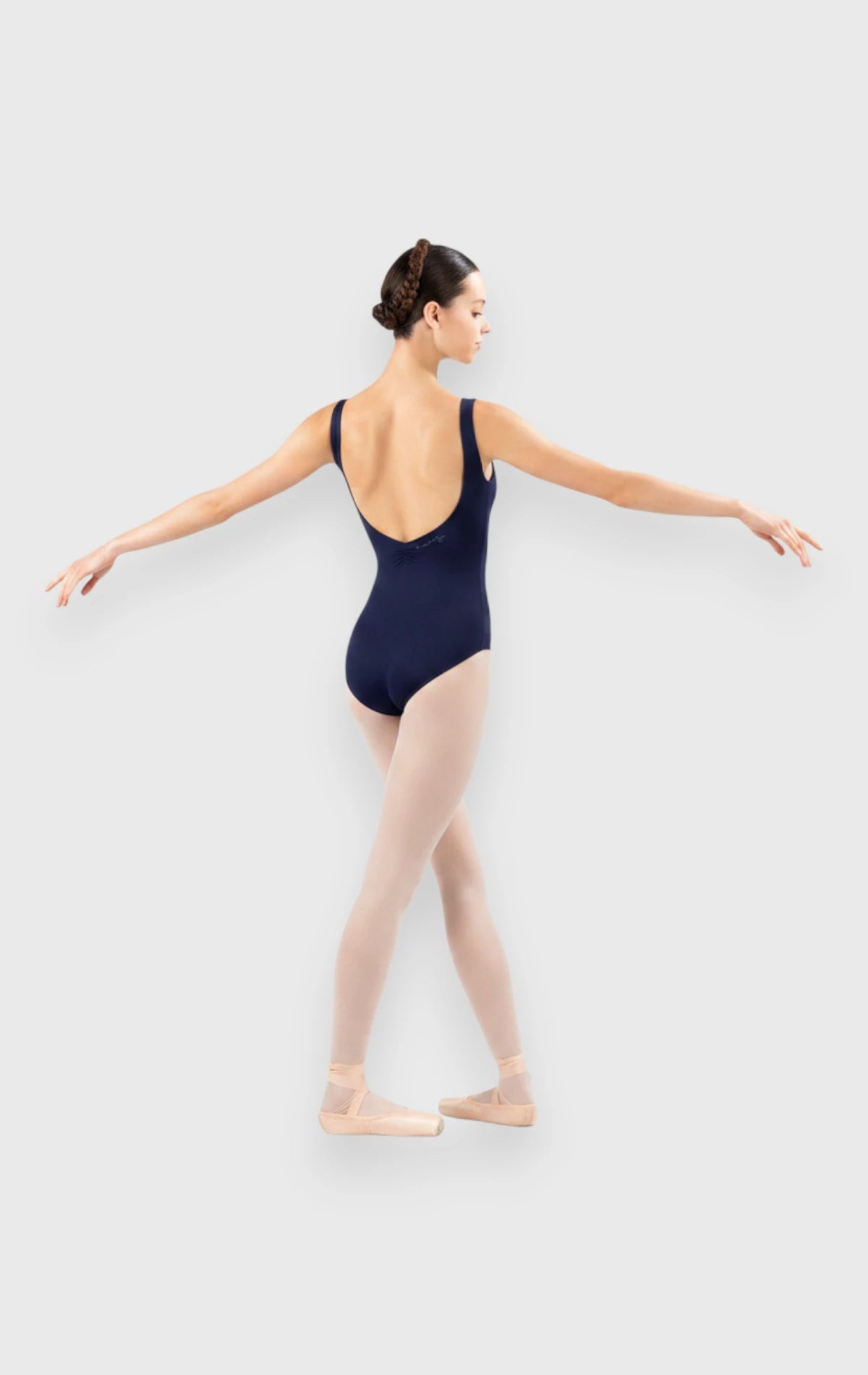
As for the back, a V-shaped neckline, more or less deep, will provide a sense of lengthening. Obviously with a very deep neckline a slender back is advisable, since a cambré in that case would accentuate imperfections. But a simple gathering across the back will be functional even with necklines below the shoulder blades, suitable even for young girls.
Many leotards are simpler at the front, with details developed specifically on the back. Crisscrossed necklines in dance are very common, because they give the impression of being more “stable”. A ballerina must perform port de bras, cambré, jumps, feeling free to move and confident that everything stays in place.

full bust
With a full bust, round necklines, boat necks and higher-necked bodysuits are preferable.
Typically bodysuits are lined at the bust; some styles even include a built-in bra with cups and back hooks. However, when choosing a more distinctive style that offers less bust support, wider straps or short or long sleeves are preferable to “hide” the straps of a bra worn under the bodysuit. A racerback neckline can also help conceal the bust and make it feel more supported.
Avoid 3/4 sleeves and short sleeves if you have substantial arms; opt for wide straps or long sleeves for greater support.
Common mistakes to avoid
- Patterns and embellishments for auditions: they draw the eye away from the lines. Solid colors are better.
- Unstable necklines: if you worry about “shifts” during jumps and cambré, choose cross-over and structured halter styles.
- 3/4 sleeves on short arms: they can visually shorten; consider wide straps or a long, well-fitted sleeve.
- Shiny fabrics when you want to “clean” the silhouette: a matte finish is often more forgiving.










Assunta Granata taught dance for many years and is currently the owner of DanzaShop, the leading dance store in Italy for online sales of dance items. "Il Blog Della Danza" was born from her idea and aims to provide useful information for dancers, teachers and parents of children who study dance.


